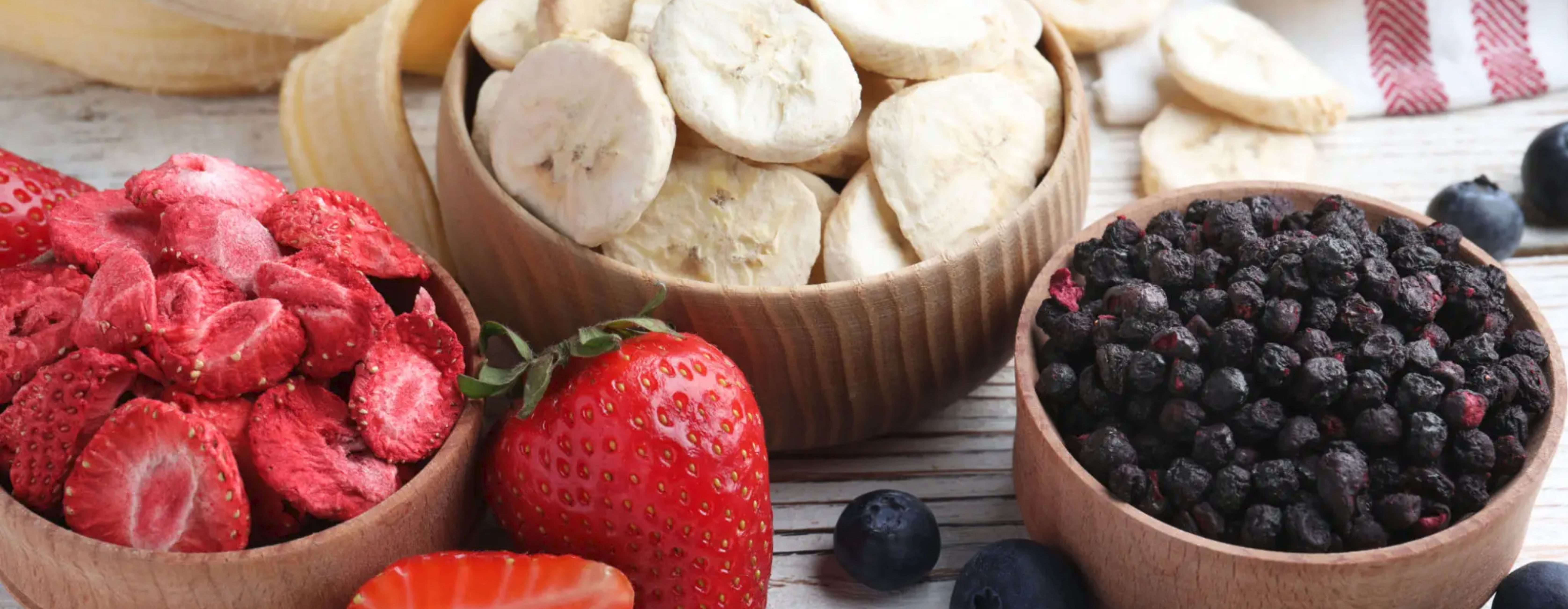
How the food gets stored can depend on when and how you plan to use it.
SHORT-TERM STORAGE

This is good for stuff you plan to use as snacks straight from the jar within the next 2 weeks, like fruits and veggies or maybe dog treats. This can be done with food right out of the machine, or you can move food from long term storage into short term.
The storage container should be air-tight, but easy to open/close. A glass jar with a rubber gasket for example. It should get a desiccant package in the bottom of the jar to combat moisture. It should only hold the amount of food that can all be consumed within 2 weeks. Because the container will get exposed to air, that greatly reduces shelf life so you don’t want a large volume of food in the jar being repeatedly exposed.
Ensure that anyone snacking from the jar has clean DRY hands and reseals the lid promptly.
MEDIUM STORAGE- Use within a year
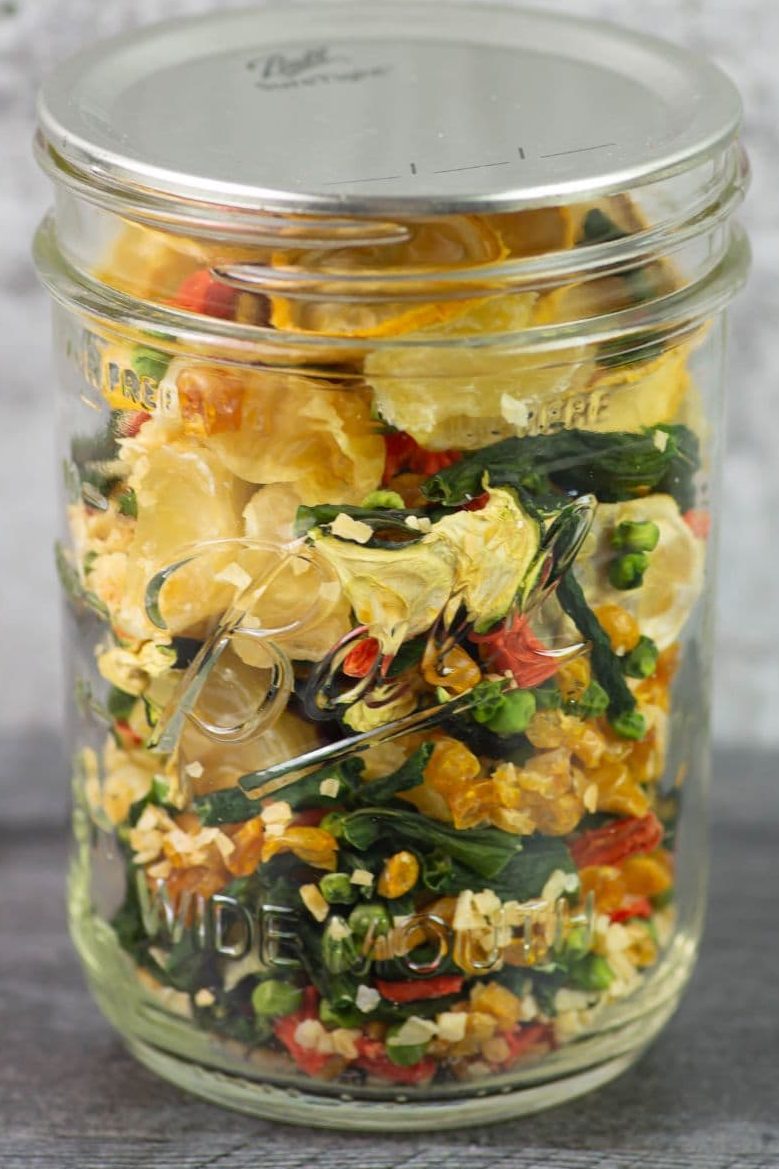
This works well for seasonal foods you want to eat later in the year, fresh harvests when they are abundant (eggs, meat, dairy, garden items), purchased fruits/vegetables, and meals you plan to eat within the year.
Mason jars that are vacuum sealed work well for this sort of storage if you have a temperature stable, dark location to store them. Light will degrade the food faster. Each jar should get an appropriate amount of oxygen absorbers to further reduce the oxidative effects of oxygen in the vacuum sealed jar. The jar should not be opened more than once before being resealed, or the contents should move to short term storage. So the amount of food in the jar should be portioned accordingly.
LONG-TERM STORAGE
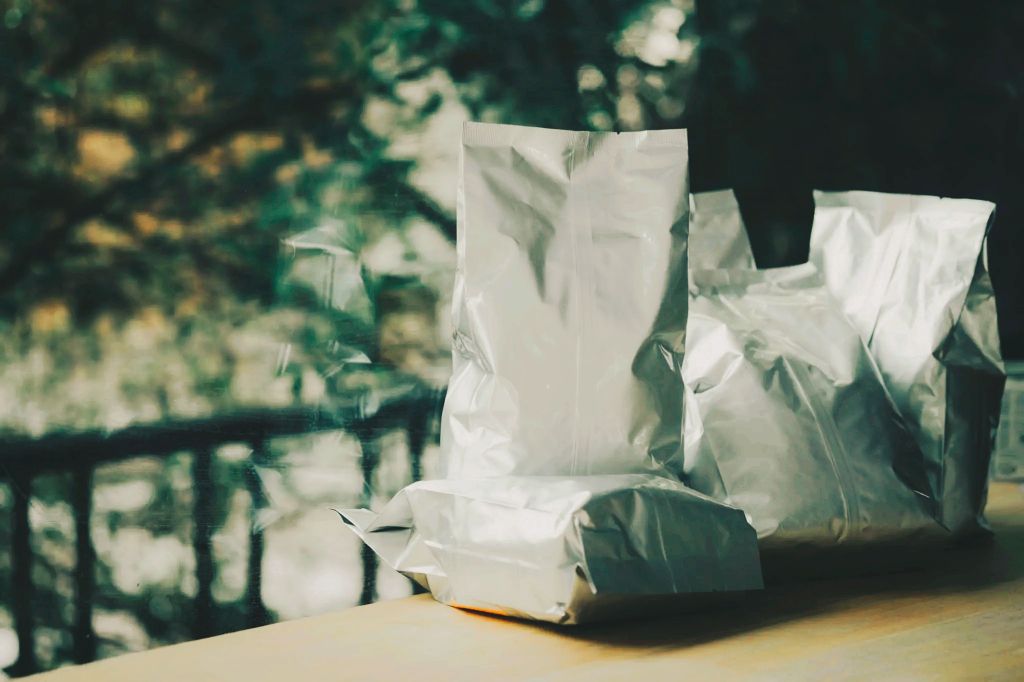
Freeze dried foods can last up to 25 years without losing significant nutritional value if stored correctly. It needs a temperature stable space, non-permeable, light blocking container.
Mylar bags with oxygen absorbers are best for this task (& can also be used for shorter term storage). Mylar bags are completely airtight and non-permeable, opaque to protect from light damage, unbreakable, lightweight, bug proof, easy to fill and easy to open. Only negatives are: You can’t see inside, so label them well (some do have windows). And rodents can chew into them, so they might have to go inside rodent proof containers.
Storing in serving size portions is best, but some of the bags have a zip lock type closure and could be re-sealed for short term storage of additional contents. And some can be re-sealed, allowing for removal of some contents while the rest remains in long term storage.
Label Label Label!
You might think it’s obvious what is inside a jar, but write it n the label anyway. Also note the date the item was packaged (so you can use the oldest first) and that it’s freeze dried (vs. dehydrated, which doesn’t last as long). Of course for packaging like mylar bags, you can’t SEE what is inside.
It’s helpful to have a dry erase board where you store your food to keep track of what you have. Also helpful on your freezer! And you can put a contents list in a page protector on each rodent proof container full of mylar bags.
 Use A Freeze Dryer