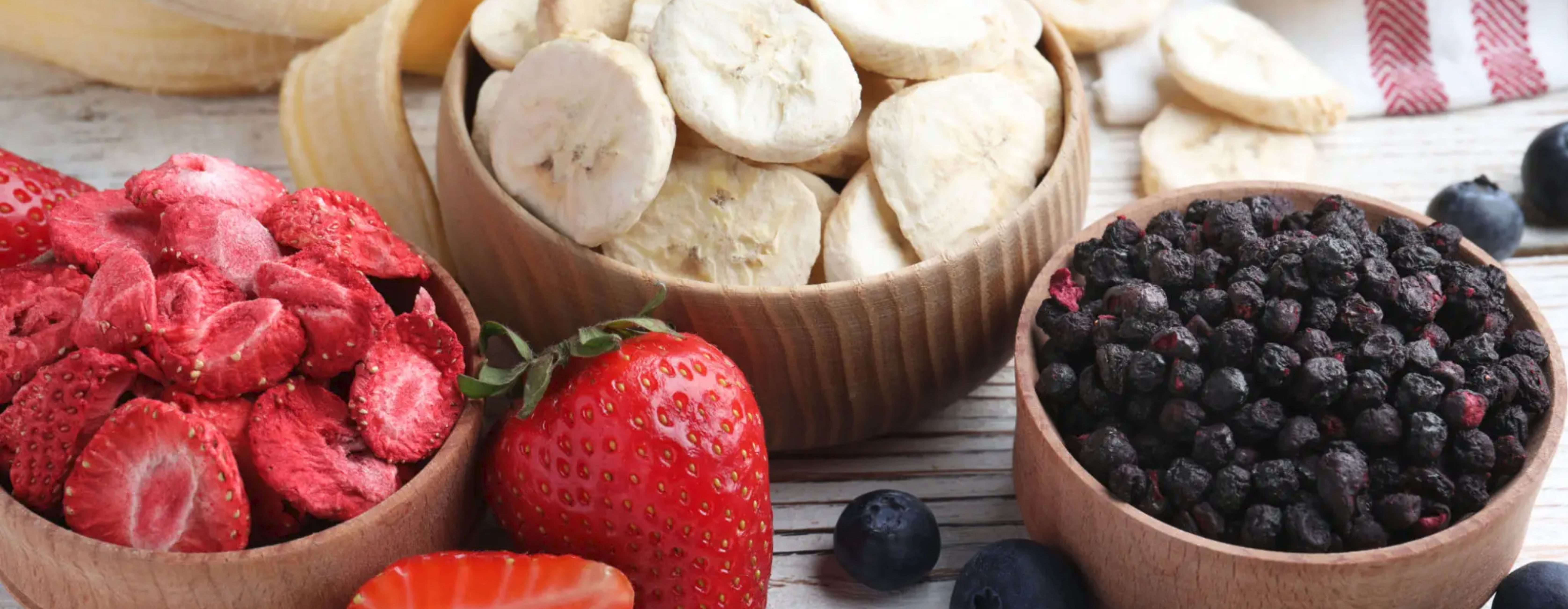
I take the safety of your food very seriously and won’t do anything with your food that I wouldn’t do with my own. But there are things you need to know about food safety related to freeze drying.
#1 Freeze drying does not kill bacteria or pathogens!
Normal safe food handling practices apply. When prepping your food, work with clean hands, surfaces and utensils. Make sure things are dry so you don’t pass bacteria from one surface to another within moisture, including to/from: hands, utensils, surfaces, etc. If you’re cooking food to be freeze dried, be sure it is fully cooked and then immediately refrigerated or frozen. Never freeze dry food that has sat at dangerous temperatures (not hot/cold enough).
This also means that you can keep beneficial bacteria in foods like sourdough starter, yogurt, fermented foods, and pet foods!
#2 Freeze drying does NOT cook food
If you freeze dry a raw food, it’s still raw when you re-hydrate it. If your raw food has bacteria in it, it will reconstitute and come back to life when you re-hydrate it. Handle and cook re-hydrated raw food according to safe food practices.
#3 Fat doesn’t freeze dry
Fat does not change in the freeze drying process. It has no water to release, so it can’t be shelf-stable when it comes out of the machine. In fact the opposite happens. The process of freeze drying can cause fats to go rancid more quickly. So you want to use low fat items. Drain the fat from cooked meat or cook it on a rack to let the fat fall away, and you can even rinse high fat meat and then dry it out in a hot pan. If you saute vegetables, use as little fat as possible (butter, lard, oil, etc.). A little is okay, but the more fat there is, the shorter the shelf life. If a food with fat in it has gone rancid, you’ll be able to smell that it’s not right when you open the container. It will need to be tossed. An 80/20 hamburger patty cooked on a rack and patted dry before freezing should last up to about 2 years in proper storage, as would meat with a similar amount of fat after cooking.
#4 Pre-freeze
Freezing the food for 48+ hours will reduce the time the food needs to spend in the freeze dryer. Liquids and foods with juice must be frozen solid or the vacuum pump can suck the liquid up, or worse, explode a pocket of unfrozen food and send it all over the inside of the freeze dryer!
#5 Only eat Freeze Dried foods that are still completely dry!
It should be crispy, crunchy, and completely dry. If there is any hint of softness or moisture or gummy texture, toss the food. It has taken on moisture from the environment at some point and moisture allows bacteria and other pathogens to thrive. Not worth the risk. It only takes about 10% moisture content to revive the bacteria and have it multiply so be sure the food stays sealed up in an airtight container. The high humidity levels in SC can get the food to that 10% moisture level pretty fast so if you suspect that has just happened (forgot to get the lid back on) then seal the food for short term use (within a week). If you’re not sure when a seal was broken or when the food lost complete dryness, just toss it.
 Use A Freeze Dryer